

Parts sourcing
Genuine Manufacturer (OEM) Parts for All Marques
Genuine manufacturer parts for any make — supplied new, in manufacturer packaging, with the correct part number for your specific vehicle. Trade only, UK-wide.
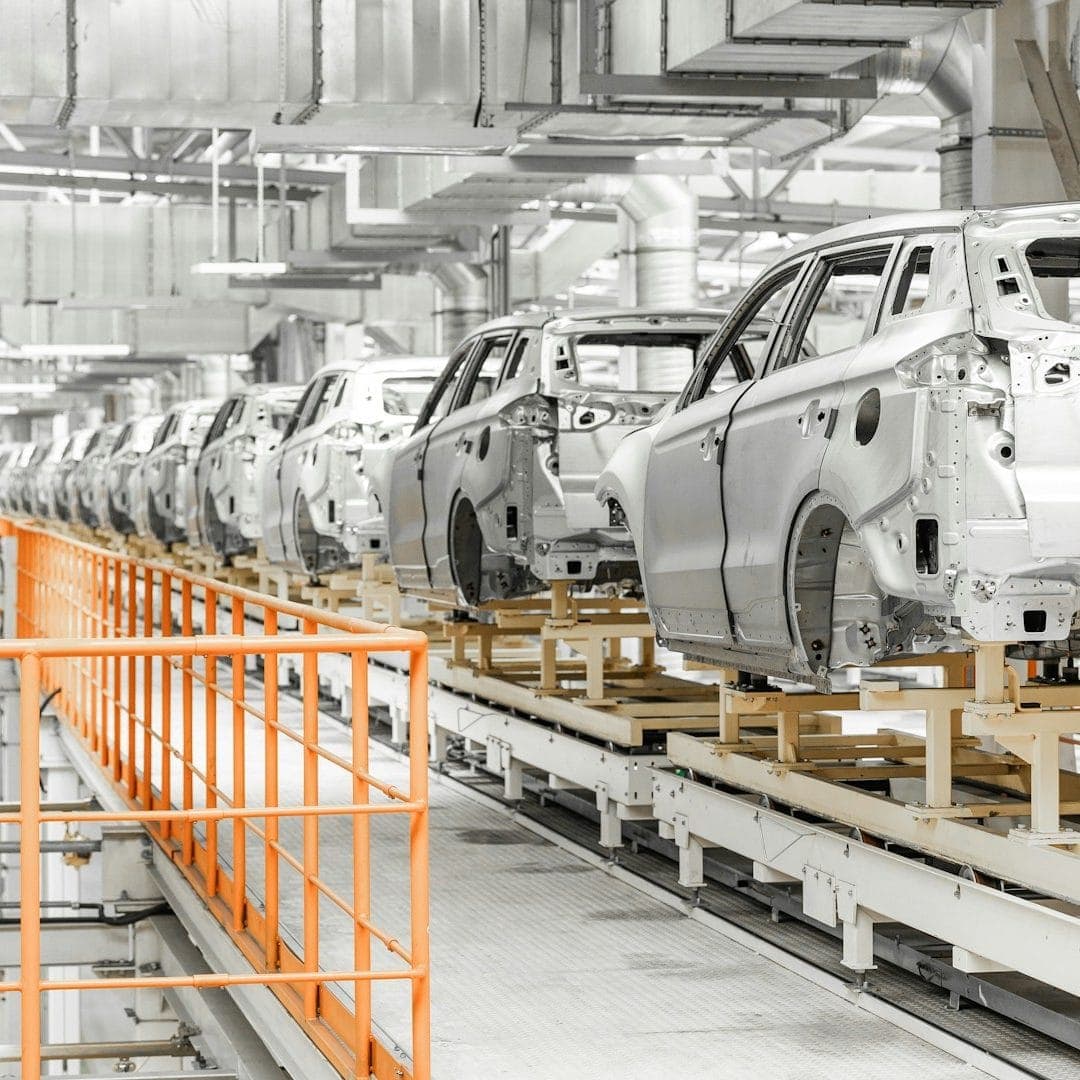
What 'genuine' means when we use it
A genuine part is one supplied through the vehicle manufacturer's own parts system: it carries the manufacturer's part number, arrives in manufacturer packaging and is the part the vehicle was built with or the manufacturer's current replacement for it. That is what we source. The trade also uses 'OEM' (original equipment manufacturer), 'OES' (original equipment supplier) and 'aftermarket', and the words overlap enough to cause problems on an estimate, so we describe every part we quote by its actual category.
- Genuine — manufacturer part number, manufacturer packaging, supplied via the manufacturer's parts network (whichever market).
- OEM / OES — made by the company that supplies the manufacturer, sold under the supplier's own brand and packaging. Sometimes identical to the genuine part; sometimes not.
- Aftermarket — made by a third party to fit the vehicle, to its own specification.
Our guide, genuine vs OEM vs aftermarket parts, sets out the differences, including packaging, part-number stamping, warranty and when a bodyshop or insurer expects which. The competition rules that keep parts supply open to independent repairers are summarised on the CMA's Motor Vehicle Block Exemption page.
What we source
Any genuine part for any marque, in practice. The categories that come up most often:
- Body and exterior — panels, bumpers, grilles, lamps, glazing, mirrors, trim and badges. See genuine body panels.
- Mechanical — engine, transmission, driveline, suspension, steering, braking, cooling, fuel and exhaust. See mechanical components.
- Electrical and electronic — control modules, sensors, wiring looms, switches, displays and ADAS components.
- Interior — seats, trim panels, carpets, headlinings and fittings in the correct colour code.
- Service and consumable items where a genuine part is specified — filters, belts, gaskets and seals.
Marques we source for
We source genuine parts for European, Japanese, American and British marques — mainstream and prestige. The manufacturer's parts system is organised the same way whatever the badge: a VIN resolves to a build specification, the specification resolves to a part number, and the number is searched across the markets where it is supplied. European marques make up much of our work because of the depth of the trade's German, Italian, French and Swedish parc, and because those manufacturers' parts systems vary most between markets — which is exactly where sourcing helps. For prestige and performance marques see prestige and supercar parts.
REMCAM Automotive Ltd is an independent parts-sourcing specialist and is not affiliated with, approved by or an authorised agent of any vehicle manufacturer. Manufacturer names are used to identify the vehicles we source parts for.
Identifying the right part first time
Genuine parts are only genuinely right if the number matches the vehicle. Build date changes, running changes within a model year, market-specific variants, colour codes and supersessions all produce parts that look identical in a catalogue and do not fit on the car. We identify every part against the VIN, check the supersession chain and confirm any option-dependent variants (trim level, engine code, driveline) before quoting. If a diagram or estimate reference is available, send it — it lets us cross-check.
Don't know the part number? No problem. Send us the registration or VIN and as much information as you have. Our guide on finding car parts by VIN or registration explains what each identifier reveals.
Genuine parts when the UK has none
The value of a sourcing service for genuine parts is in the cases where the UK network cannot supply: the number is on back order, it has gone NLA in the UK while still supplied elsewhere, or the vehicle is an import whose parts were never catalogued here. In all three cases the part we find is the same genuine part number from the manufacturer's network in another market — not a substitute.
How genuine-parts sourcing works
- Send the registration or VIN, the part description and any number or estimate reference.
- We confirm the exact part number for that vehicle, including supersessions and variants.
- We check UK availability, then international supplier contacts if the UK cannot supply.
- You receive availability, price and lead time for the specific source.
- On approval we order and arrange delivery to your workshop.
Checking a genuine part when it arrives
Because 'genuine' is a claim that matters to customers, insurers and warranties, it is worth knowing what to look for when a part arrives — from us or anyone else.
- Packaging. Manufacturer-branded packaging carrying the manufacturer's part number and, for most marques, a security label or hologram. Damaged or generic packaging is a reason to ask questions.
- Marking on the part. Most genuine parts carry the manufacturer's logo and part number moulded, stamped or labelled on the part itself. Supplier-branded versions of the same part often have the logo omitted or ground off.
- Part number match. The number on the box and the number on the part should match each other and the number we quoted for your VIN. Supersessions are the one legitimate exception, and we tell you about those in advance.
- Included hardware. Genuine parts include the clips, gaskets or fixings the manufacturer specifies; a part that arrives without them may be a different category.
Paint, trim and colour codes
Genuine painted and trimmed parts are usually supplied in primer or in a base finish, not in the vehicle's colour, so the paint code is needed by the bodyshop rather than by us. Interior trim is different: seat covers, door cards, carpets and headlinings are colour-specific and the trim code from the vehicle's build label is part of the identification. Send a photograph of the build label — normally in the door aperture, under the bonnet or in the boot — with any interior trim request, and we will confirm the colour-specific number before quoting.
Service and consumable items
Most workshops buy filters, belts and brake components from their factor, and that is usually right. Where a genuine service item is specified — a warranty repair, a prestige vehicle whose owner insists on genuine, a component with a manufacturer-specific specification — we source it like any other part. Tell us the VIN and the service item and we confirm the genuine number and availability.
Genuine OEM Parts: frequently asked questions
What is the difference between genuine and OEM parts?
A genuine part is supplied through the vehicle manufacturer's own parts system with the manufacturer's part number and packaging. An OEM part is made by the company that supplies the manufacturer but sold under the supplier's own brand. They can be identical, but not always — we describe every part we quote by its actual category.
Do genuine parts sourced from abroad carry a warranty?
Genuine parts are supplied through the manufacturer's network in whichever market we source them, and any warranty is the supplying network's. We confirm the position for the specific part and source when we quote rather than making a blanket claim.
Can you source genuine parts for any make?
Yes — European, Japanese, American and British marques, mainstream and prestige. We are independent and not affiliated with any manufacturer.
Do you supply the public?
No. REMCAM is a trade-only service. Private owners should ask their garage or restorer to send the request.
Can't find the part? Let us find it.
Send us the registration, VIN or part number and we'll search our sourcing network.